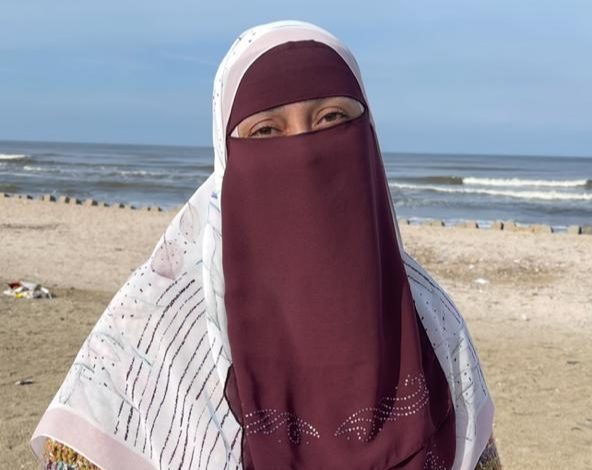
مقابلة حصرية لجريدة الصدارة الدولية حول : مستقبل تعليم الأحياء
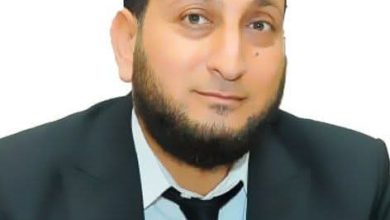
ادار الحوار : العربي إسماعيل
خاص لجريدة الصدارة الدولية
العربي إسماعيل: يسعدني أن أرحب بالأستاذة أسماء الفيومي، الخبيرة المشهورة في العلوم البيولوجية، معنا فى لقاء جريدة الصدارة الدولية. استاذة أسماء، شكراً لوجودك معنا . لنبدأ بالوضع الحالي لتعليم علم الأحياء. كيف ترى تطور المجال في عالم اليوم القائم على التكنولوجيا؟
الاستاذة أسماء الفيومي: شكرا العربي. إنه لمن دواعي سروري أن أكون هنا. لم يعد علم الأحياء يقتصر فقط على حفظ المصطلحات؛ لقد أصبح مجالًا ديناميكيًا يعتمد على البيانات. ونحن نتحرك نحو “علم الأحياء المتكامل”، حيث يتقاطع علم الوراثة الجزيئية، والمعلوماتية الحيوية، وعلم البيئة. يجب على الطلاب اليوم فهم هذه الروابط لحل التحديات العالمية مثل تغير المناخ والأوبئة.
العربي إسماعيل: هذا منظور رائع. في ظل هذه التغيرات السريعة، ما هي المهارات الأكثر أهمية التي يحتاج الطلاب إلى تطويرها للتفوق حقًا في العلوم البيولوجية اليوم؟
الاستاذة أسماء الفيومي: أؤكد على ثلاث كفاءات أساسية:
التفكير التحليلي: القدرة على تفسير البيانات التجريبية المعقدة بدلاً من مجرد ملاحظة الظواهر.
محو الأمية الرقمية: الكفاءة في استخدام برامج المحاكاة وقواعد البيانات لنمذجة النظم البيولوجية.
المنطق الأخلاقي: بينما نتعمق في تقنية كريسبر والتحرير الجيني، فإن فهم الآثار الأخلاقية لا يقل أهمية عن فهم آليات العلم نفسه.
العربي إسماعيل: بالحديث عن التكنولوجيا الوراثية، هناك اهتمام عام كبير بالاكتشافات الحديثة. كيف تفسر تأثير التسلسل الجيني للجمهور بطريقة دقيقة ويمكن الوصول إليها؟
الاستاذة أسماء الفيومي: كثيراً ما أستخدم تشبيه “مكتبة الحياة”. فكر في الجينوم كمكتبة واسعة تحتوي على كتيبات التعليمات لكل كائن حي. يتيح لنا التسلسل الجينومي قراءة هذه الأدلة، والعثور على “الأخطاء المطبعية” (الطفرات) التي تسبب الأمراض، وربما تحريرها لتحسين صحة الإنسان.
العربي إسماعيل: هذه طريقة رائعة لصياغة الأمر. بالنظر إلى المستقبل، ما هي النصيحة التي تقدمها لعلماء الأحياء الشباب الطموحين الذين يستعدون لدخول هذا المجال التنافسي؟
الاستاذة أسماء الفيومي: نصيحتي بسيطة: ابقَ فضوليًا واحتضن تعددية التخصصات. لا تقصر نفسك على علم الأحياء فقط. تعلم بعض الإحصائيات، واختر لغة برمجة مثل Python، وابق على اطلاع دائم بالأدبيات التي يراجعها النظراء. تحدث معظم الاكتشافات الرائدة عند الحدود التي يلتقي فيها علم الأحياء مع الفيزياء والكيمياء وعلوم الكمبيوتر.
العربي إسماعيل: الاستاذة أسماء الفيومي، شكراً لك على وقتك ومساهماتك الثاقبة لقرائنا في الصدارة الدولية.
الاستاذة أسماء الفيومي: شكرا للاستاذ العربي. لقد كانت محادثة رائعة شكرا لجريدة الصدارة الدولية
Exclusive Interview: The Future of Biology Education
By: Al-Arabi Ismail, Al-Sadara International Newspaper
Al-Arabi Ismail: It is a great pleasure to welcome Ms. Asmaa El-Fayoumi, a renowned expert in Biological Sciences, to Al-Sadara International. Ms. Asmaa, thank you for joining us. Let’s start with the current state of biology education. How do you see the field evolving in today’s technology-driven world?
Ms. Asmaa El-Fayoumi: Thank you, Al-Arabi. It is a pleasure to be here. Biology is no longer just about memorizing terminology; it has become a dynamic, data-driven field. We are moving toward “Integrated Biology,” where molecular genetics, bioinformatics, and ecology intersect. Students today must understand these connections to solve global challenges like climate change and pandemics.
Al-Arabi Ismail: That is a fascinating perspective. With these rapid changes, what are the most critical skills students need to develop to truly excel in the biological sciences today?
Ms. Asmaa El-Fayoumi: I emphasize three core competencies:
Analytical Thinking: The ability to interpret complex experimental data rather than just observing phenomena.
Digital Literacy: Proficiency in using simulation software and databases to model biological systems.
Ethical Reasoning: As we venture deeper into CRISPR technology and genetic editing, understanding the ethical implications is just as important as understanding the mechanics of the science itself.
Al-Arabi Ismail: Speaking of genetic technology, there is a lot of public interest in modern breakthroughs. How do you explain the impact of genomic sequencing to the public in a way that is both accurate and accessible?
Ms. Asmaa El-Fayoumi: I often use the analogy of a “Library of Life.” Think of the genome as a vast library containing the instruction manuals for every living organism. Genomic sequencing allows us to read these manuals, find the “typos” (mutations) that cause diseases, and potentially edit them to improve human health.
Al-Arabi Ismail: That is a brilliant way to put it. Looking ahead, what advice would you give to young, aspiring biologists who are preparing to enter this competitive field?
Ms. Asmaa El-Fayoumi: My advice is simple: Stay curious and embrace interdisciplinarity. Don’t limit yourself to just biology. Learn some statistics, pick up a programming language like Python, and stay updated with peer-reviewed literature. The most groundbreaking discoveries happen at the boundaries where biology meets physics, chemistry, and computer science.
Al-Arabi Ismail: Ms. Asmaa El-Fayoumi, thank you for your time and your insightful contributions to our readers at Al-Sadara International.
Ms. Asmaa El-Fayoumi: Thank you, Al-Arabi. It was a wonderful conversation.